This article delves into the significant influence that geographical location has on roofing and home choices. Each region boasts distinct climatic conditions and environmental challenges that influence not only the aesthetic appeal of homes but also the practical aspects like durability and maintenance. Homeowners need to consider these factors when planning construction or renovation projects to ensure their homes are comfortable, compliant with local standards, and sustainable over the long term. The discussion expands into the impacts of climate, local regulations, material availability, and regional aesthetics. By understanding these elements, homeowners can make informed decisions that enhance the functionality and longevity of their homes. This knowledge is particularly useful in optimizing investments and ensuring the safety and well-being of the occupants. Climate is a primary factor influencing roofing choices due to its direct impact on the materials’ longevity and performance. In regions with heavy rainfall, for instance, homeowners often opt for roofing materials such as metal and slate, which are resistant to water damage. In contrast, in areas prone to excessive sunlight and heat, materials like clay tiles are preferred for their excellent thermal insulation properties. Climate severity not only dictates the type of material but also the style and color of the roofing. Roofs in cold regions are often sloped to facilitate snow runoff, while in arid areas, flat roofs are more common to aid in rainwater collection. Beyond material type, climate influences the kind of maintenance a roof will require over its lifespan. In wet or snowy climates, regular inspection and removal of accumulated debris are essential to prevent water ingress. Conversely, in sunny climates, reflective roof coatings are used to minimize thermal load, reducing air conditioning costs and enhancing energy efficiency. Ensuring the roof is equipped to handle prevalent climatic conditions is crucial in avoiding structural issues and prolonging its life. Homeowners must also factor in potential climate change scenarios, opting for adaptable roofing solutions whenever possible. This foresight helps mitigate future challenges and unplanned expenses related to climatic shifts. Local building codes and regulations significantly shape how homes are constructed and maintained, affecting various aspects including roofing. These codes are tailored to address regional challenges and ensure all structures meet safety, health, and environmental standards. In coastal areas, for example, stricter codes mandate roofing reinforcements to withstand storms and flooding. Compliance with these regulations is not only a matter of legal obligation but also a critical factor in securing homeowners insurance coverage. Failure to comply can lead to legal and financial repercussions, making adherence essential for any construction or refurbishment project. The scrutiny these local laws place on material selection and installation procedures ensures that homes are both sustainable and resilient. Regulations might stipulate that only certain fire-resistant materials be used in areas susceptible to wildfires, as seen in many Californian municipalities. Similarly, energy efficiency standards drive the adoption of eco-friendly rooftops, such as those utilizing solar panels or thermally reflective surfaces, often accompanied by financial incentives. Compliance with these regulations not only enhances property value but also contributes positively to the community’s environmental goals. This landscape necessitates that homeowners work closely with professional contractors familiar with the precise demands of local codes. The availability of materials for construction is heavily influenced by geography, as it affects both the cost and suitability of materials for the local climate. Regions rich in natural resources, like timber or clay, often see these materials used extensively in local buildings, reducing transportation costs and environmental impact. For example, Canadian homes may heavily feature wood due to abundant forests, while adobe bricks are prevalent in the American Southwest. Moreover, local sourcing helps reduce supply chain delays and can offer better pricing due to reduced shipping distances. Beyond geographic availability, cultural preferences also play a role in determining how materials are chosen and used in home construction. In addition to geographical abundance, sustainability considerations are increasingly influencing material choices. Regions with environmental initiatives encourage the use of recycled or renewable materials, such as reclaimed wood or locally produced concrete. This not only reduces the ecological footprint of new construction but also supports local economies. Sourcing materials locally can ensure that homes are built in harmony with their natural surroundings, integrating seamlessly into the landscape. The shift toward sustainable materials is driven by both consumer demand for eco-friendly options and regulatory support incentivizing green building practices. The influence of location on roofing and home choices is undeniable and multifaceted, covering everything from climatic conditions to regional regulatory requirements and material availability. Each factor intertwines to shape not only the physical structure of a home but also its performance, sustainability, and aesthetic appeal. By understanding the crucial nature of these location-dependent elements, individuals can make informed decisions that maximize home longevity and efficiency. This comprehensive approach results in residences that are better suited to withstand their environmental conditions, comply with local laws, and integrate aesthetically with their surroundings. Ultimately, the intersection of these considerations fosters sustainable living and enhances the value of investments. How Does Climate Affect Your Roofing Choices?
What Local Regulations Influence Home Building Decisions?
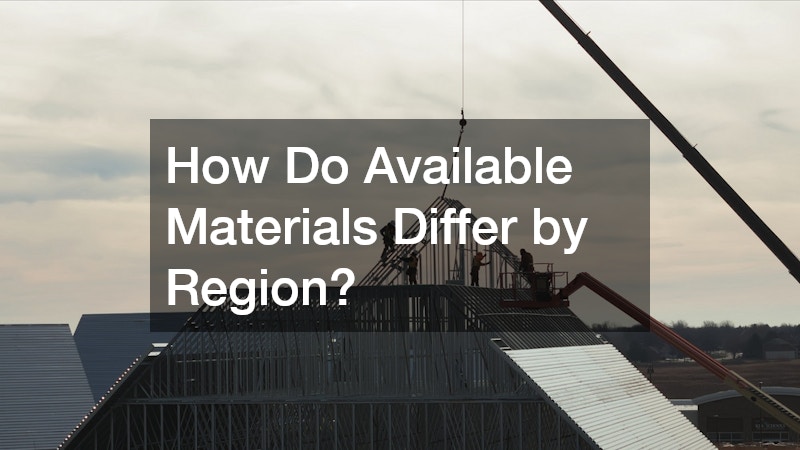
How Do Available Materials Differ by Region?
How Location Shapes Your Roofing and Home Choices