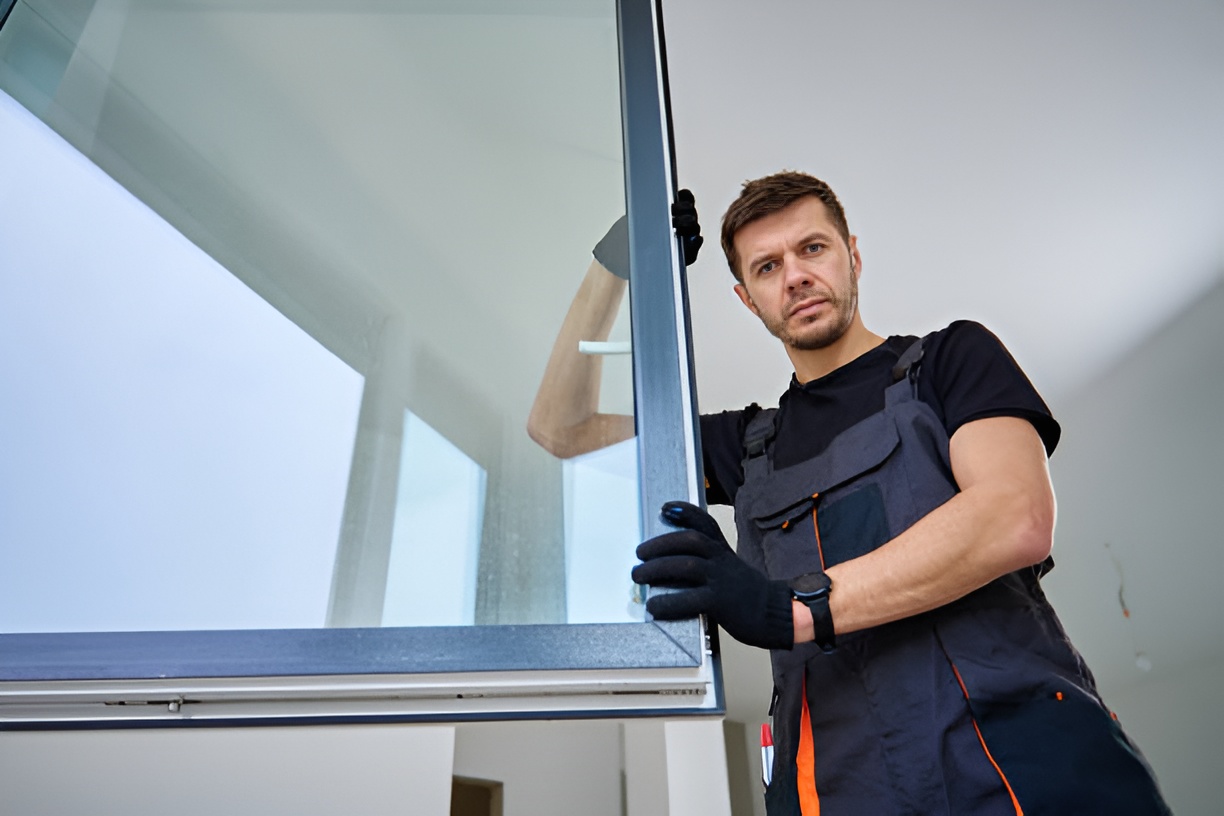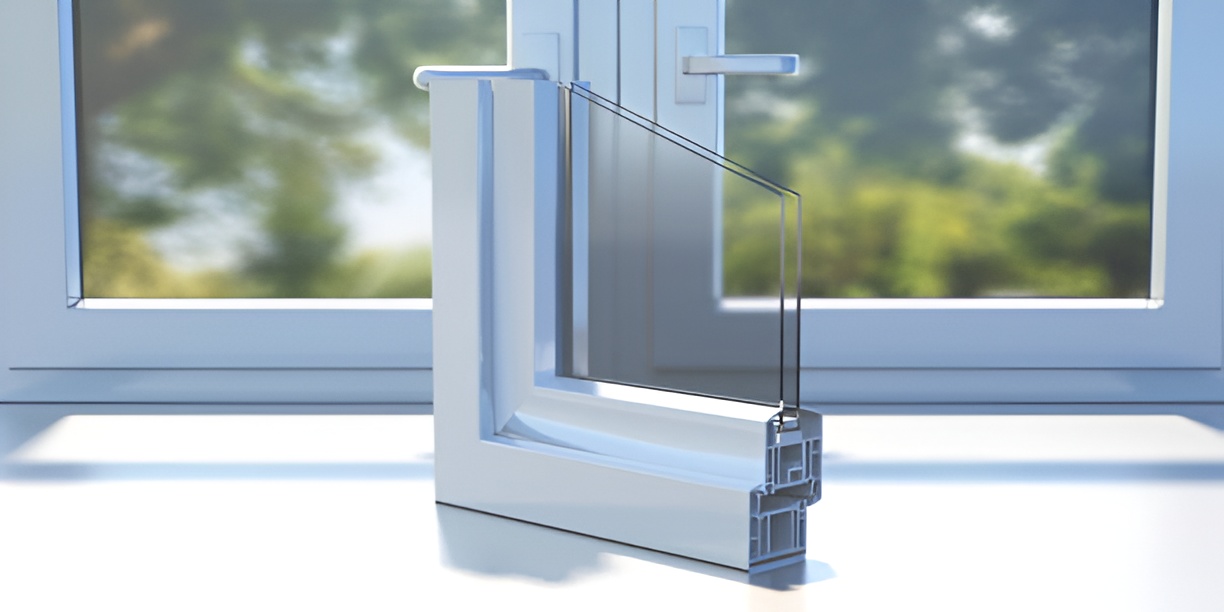
- Window glazing is more than just glass: It involves installing and sealing glass panes in frames to improve insulation, security, and appearance.
- Types of glazing impact performance: Single, double, triple, laminated, and tempered glazing offer different levels of energy efficiency, noise reduction, and safety.
- Energy efficiency is a major benefit: Proper glazing reduces heat loss in winter and heat gain in summer, helping lower energy bills.
- Signs you may need new glazing: Drafts, condensation between panes, difficulty opening/closing, cracked glass, or rising energy costs indicate glazing issues.
- Maintenance extends lifespan: Regularly check seals, clean glass, inspect frames, lubricate moving parts, and replace worn putty or sealant to keep windows functional.
- Common glazing problems: Condensation, broken glass, leaks, warped frames, and failing sealant can compromise comfort, security, and efficiency.
- Professional installation and upgrades are worthwhile: Hiring experts ensures a proper fit, tight seals, and long-term performance; energy-efficient windows can also increase home value and comfort.
If you’re a new homeowner, you might have come across the term “window glazing” while exploring your house or browsing renovation guides. But what is window glazing exactly? Simply put, window glazing is the process of installing glass panes into window frames and sealing them to improve insulation, security, and appearance. While it sounds simple, glazing plays a critical role in your home’s energy efficiency, safety, and overall comfort.
In this guide, we’ll break down everything you need to know about window glazing—from types and materials to maintenance tips and common problems. By the end, you’ll understand why glazing is more than just glass in a frame.
What Does Window Glazing Actually Mean?
At its core, glazing refers to the glass portion of your window and the way it’s fitted into the frame. The term is often used to describe both the glass itself and the installation process that ensures the glass is secure, airtight, and durable.
Key points to know:
- Glazing ensures the window is properly sealed, preventing drafts and water leaks.
- It can impact your home’s energy efficiency, as well-insulated windows reduce heating and cooling costs.
- Glazing types vary, offering different levels of security, soundproofing, and UV protection.
Why Is Window Glazing Important for Homeowners?

Many new homeowners overlook glazing, thinking it’s just about the look of their windows. In reality, good glazing affects your home in several ways:
Energy Efficiency
Properly glazed windows reduce heat transfer, keeping your home warmer in winter and cooler in summer. This can significantly lower your energy bills over time.
Noise Reduction
Double or triple-glazed windows can block outside noise, making your home more peaceful, especially if you live near busy roads or noisy neighbors.
Security
Strong, properly installed glass is harder to break, adding a layer of security to your home.
Aesthetic Appeal
Well-glazed windows can enhance the look of your home, whether you prefer modern glass panels or classic styles.
What Are the Different Types of Window Glazing?
Understanding the types of window glazing is essential if you’re thinking about upgrades or replacements. Here are the main categories:
Single Glazing
- Consists of a single glass pane.
- Offers minimal insulation and noise reduction.
- Typically found in older homes.
Double Glazing
- Two glass panes separated by a spacer filled with air or gas.
- Provides better insulation and reduces noise.
- Helps prevent condensation between panes.
Triple Glazing
- Three layers of glass with two spacers.
- Offers maximum insulation and energy efficiency.
- Ideal for very cold climates or homes with high energy efficiency goals.
Laminated Glazing
- Two or more panes bonded with a plastic layer.
- Provides added security and reduces shattering.
- Often used in areas prone to storms or break-ins.
Tempered or Toughened Glazing
- Heat-treated glass that is stronger than regular glass.
- Breaks into small, less dangerous pieces if shattered.
- Used for safety in doors, windows, and near floors.
How Does Window Glazing Affect Energy Bills?
Many homeowners underestimate the impact of glazing on heating and cooling costs. Here’s why it matters:
- Single-pane windows lose heat quickly, making your HVAC system work harder.
- Double or triple-pane windows trap heat and reduce the need for heating in winter.
- Low-emissivity (Low-E) coatings reflect heat back into the room in winter and block solar heat in summer.
By investing in the right glazing, homeowners can save hundreds of dollars per year on energy costs.
How Do You Know If Your Windows Need New Glazing?
Not all windows last forever. Some common signs that your glazing may need attention include:
- Drafts coming through the window.
- Condensation or fogging between panes.
- Difficulty opening or closing windows.
- Cracks in the glass or the sealant.
- Higher energy bills than usual.
If you notice any of these issues, it may be time to inspect your window glazing or consider professional replacement.
Can You Do Window Glazing Yourself?
DIY enthusiasts may wonder if glazing is a task they can handle on their own. While it’s possible, it requires careful attention and the right tools.
DIY Steps for Re-glazing a Window:
- Remove the old putty or sealant.
- Carefully remove the old glass pane.
- Measure and cut the new glass to fit.
- Place the new glass into the frame.
- Apply glazing putty or sealant to secure the pane.
- Allow proper drying time before painting or finishing.
Tips for DIY Glazing:
- Wear safety gloves and goggles.
- Avoid rushing—measure twice and cut once.
- Consider using pre-cut glass from a hardware store for a precise fit.
What Are the Costs of Window Glazing?
The cost of window glazing depends on several factors:
- Type of glass (single, double, triple, laminated, or tempered)
- Size of the window
- Labor costs if hiring a professional
- Additional features like Low-E coatings or gas fills
Typical price ranges:
- Single glazing: $50–$150 per window
- Double glazing: $150–$500 per window
- Triple glazing: $300–$700+ per window
While it may seem expensive upfront, investing in proper glazing can save money on energy bills and increase your home’s value.
How Long Does Window Glazing Last?
The lifespan of your glazing depends on quality and maintenance. Here’s what to expect:
- Single-pane windows: 20–30 years
- Double or triple glazing: 20–40 years
- Tempered or laminated glass: 20+ years with proper care
Regular maintenance, such as inspecting seals and cleaning, can extend the life of your windows.
How to Maintain Your Window Glazing
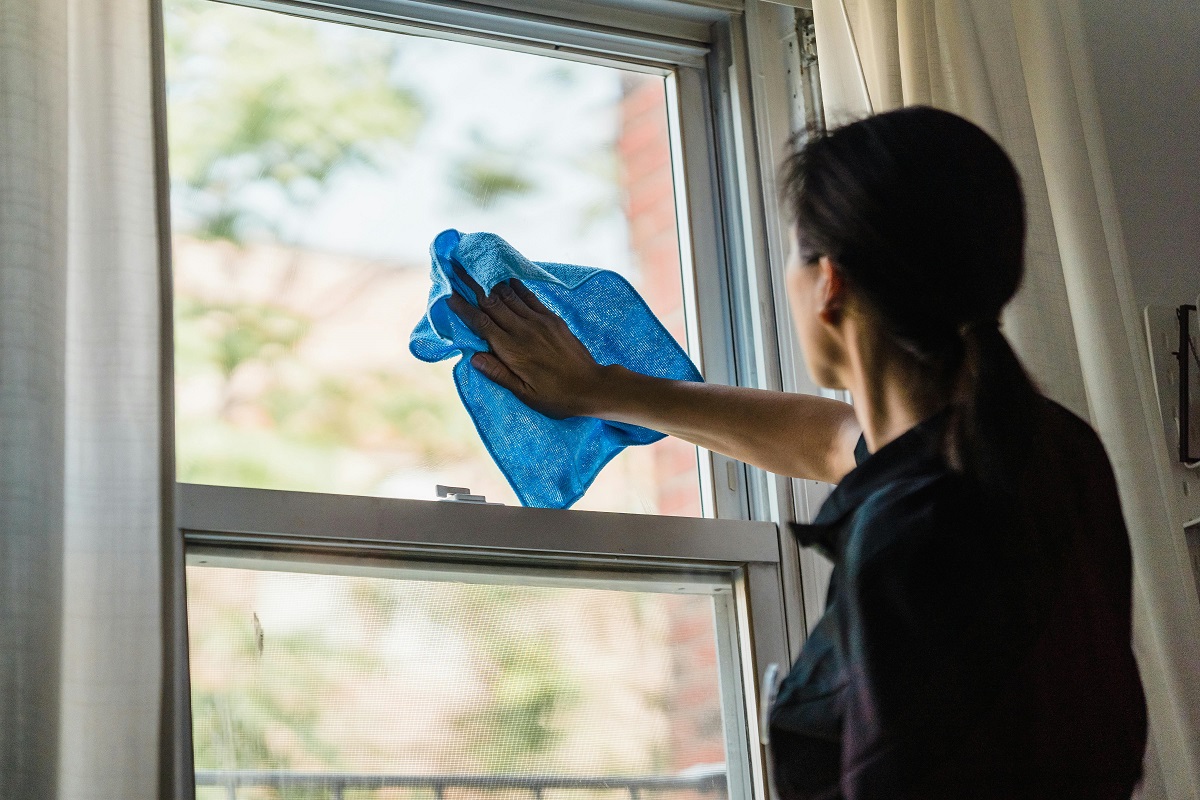
Maintaining your window glazing is key to ensuring that your windows remain functional, energy-efficient, and visually appealing for years to come. Even high-quality windows will lose effectiveness over time if they aren’t cared for properly. Here’s a detailed maintenance checklist to help you keep your glazing in top shape:
1. Check for cracks or gaps in the sealant
Over time, the sealant or caulking around your window panes can crack, shrink, or peel away. Inspect each window carefully, paying attention to corners and edges. Cracks allow drafts, water infiltration, and energy loss. If you notice any gaps, remove the old sealant and apply a fresh layer to maintain an airtight seal.
2. Clean the glass regularly
Dirt, dust, and grime can accumulate on window panes, affecting both visibility and the overall appearance of your home. Use a mild detergent or glass cleaner with a soft, lint-free cloth to avoid scratching the glass. For double or triple-glazed windows, focus on cleaning both interior and exterior surfaces to maximize natural light and aesthetic appeal.
3. Inspect frames for rot, warping, or damage
Wooden frames are particularly prone to moisture-related damage. Regularly inspect frames for rot, warping, or peeling paint. Minor damage can be repaired with wood filler and a fresh coat of paint or sealant, while extensive damage may require partial frame replacement. Metal or vinyl frames also benefit from inspection to check for corrosion, dents, or cracks.
4. Lubricate moving parts
Windows with hinges, sliders, or other moving components need regular lubrication to prevent wear and ensure smooth operation. Use a silicone-based lubricant for best results, avoiding oil-based products that can attract dirt and grime. Properly maintained moving parts help reduce stress on the glazing itself.
5. Replace worn putty or sealant
For older windows, the glazing putty that holds panes in place can deteriorate over time. If putty is cracked, brittle, or missing, it should be replaced. Carefully remove the old putty, clean the groove, and apply fresh glazing putty or sealant. Allow it to cure properly before painting or exposing it to the elements.
6. Monitor for condensation and leaks
Regularly inspect windows for condensation, especially between double or triple panes, as this can indicate a broken seal. Early detection allows you to address problems before they lead to mold, water damage, or decreased energy efficiency.
What Are Common Window Glazing Problems?
Even the best window glazing can develop issues over time. Understanding common problems can help you spot trouble early and take appropriate action. Here are some of the most frequent glazing issues and how they affect your home:
Condensation Between Panes
- Often indicates that the seal in a double or triple-glazed window has failed.
- Moisture trapped between panes reduces insulation and can obscure your view.
- Persistent condensation may lead to mold or mildew growth, which can damage frames and indoor air quality.
- Solution: Re-sealing the window or replacing the affected panes is usually necessary.
Cracked or Broken Glass
- Can occur from accidental impact, temperature fluctuations, or structural movement.
- Cracks compromise both the insulation and the security of your window.
- Small cracks in single-pane windows may sometimes be repaired with epoxy, but larger cracks or double/triple-pane damage typically require glass replacement.
Drafts or Leaks
- Windows with poor glazing or broken seals can allow cold or hot air to enter your home, leading to higher energy bills.
- Leaks can also let rainwater in, causing potential damage to walls and floors.
- Solution: Inspect and replace faulty seals, apply weatherstripping, or consider full re-glazing if the problem persists.
Warped Frames
- Wooden frames can warp due to moisture exposure or age, causing panes to fit poorly or making the window hard to operate.
- Warping can reduce insulation, allow drafts, and increase stress on the glazing.
- Solution: Minor warping may be corrected with sanding and adjustments, but severe warping might require frame replacement.
Fading or Peeling Sealant
- Over time, sealant can degrade due to UV exposure, temperature swings, and age.
- Worn sealant increases the risk of drafts, leaks, and condensation.
- Solution: Reapply glazing sealant or putty to restore the protective barrier around the glass.
Difficulty Opening or Closing Windows
- Can be caused by warped frames, dirt buildup, or failing hardware.
- Frequent forceful operation can put stress on the glass and glazing.
- Solution: Lubricate tracks, repair hardware, and ensure frames are properly aligned to protect the glazing.
How Do Professionals Install Window Glazing?
Professional installation ensures a tight seal, proper insulation, and a long-lasting result. Here’s what a typical installation process looks like:
- Remove the old glass and clean the frame.
- Measure the window opening precisely.
- Cut or select the appropriate glass pane.
- Place the glass in the frame with spacers if needed.
- Apply high-quality sealant or putty.
- Allow proper drying and curing time.
- Test the window for insulation, leaks, and smooth operation.
Hiring a professional can save time, reduce mistakes, and improve overall performance.
Are Energy-Efficient Windows Worth the Investment?
If you’re upgrading or replacing your windows, energy-efficient glazing is worth considering. Benefits include:
- Lower heating and cooling bills
- Reduced carbon footprint
- Increased home comfort
- Potential increase in home resale value
Look for certifications like ENERGY STAR when choosing new glazing to ensure quality and performance.
What to Consider When Choosing New Window Glazing
Choosing the right glazing involves balancing cost, performance, and aesthetics. Consider these factors:
- Climate: Colder regions benefit from triple glazing, warmer areas may not.
- Noise levels: Double or triple glazing reduces sound pollution.
- Security needs: Laminated or tempered glass adds protection.
- Style preferences: Match your home’s architecture with frame and glass type.
Final Thoughts
Window glazing might seem like a small detail, but it plays a big role in your home’s comfort, efficiency, and safety. Understanding the types of glazing, maintenance tips, and installation options can help you make informed decisions as a homeowner.
Investing in high-quality glazing and keeping it well-maintained ensures your windows will protect your home, save energy, and look great for years to come. Whether you tackle minor glazing repairs yourself or hire a professional, knowing the basics of what is window glazing gives you a solid foundation to care for your home effectively.