
Receiving keys at the closing table brings immense excitement, but it also marks the beginning of an ongoing property management process. The first month after taking possession requires clear prioritization. New homeowners often feel overwhelmed by the long list of cosmetic projects screaming for attention, yet addressing immediate safety hazards and structural defenses prevents costly emergency repairs later on. Taking time to establish an organized checklist prevents crucial early maintenance steps from slipping through the cracks during the chaos of moving.
Before moving heavy furniture or unpacking boxes in every room, buyers should change every exterior door lock and reset garage door opener keypad codes. Previous owners, real estate agents, maintenance staff, and contractor crews may still hold spare keys or access codes. Securing all access points provides immediate security and privacy. Simultaneously, testing smoke alarms, carbon monoxide detectors, and main water shut-off valves establishes an essential baseline for household safety. Every adult household member needs to know where the main water shut-off valve resides and how to turn it off quickly during a major pipe failure.
Exterior drainage demands careful attention during these initial weeks. Rainwater runoff poses a continuous threat to foundation walls, basements, and crawl spaces. A sagging or damaged gutter can direct thousands of gallons of water straight against the home foundation during a single heavy storm, causing basement flooding, soil erosion, or cracked masonry walls. Clearing away fallen leaves, pine needles, and accumulated roofing granules ensures rainwater flows smoothly through downspouts. Homeowners should observe the roofline during the first rainstorm to verify that downspout extensions discharge water at least four feet away from the foundation.
Unwanted pests also present a serious threat during the early moving phase. Empty homes that sat vacant during escrow often attract rodents, ants, spiders, or termites seeking shelter and moisture. Scheduling an inspection with a certified local pest control provider allows specialists to identify hidden entry points, seal gaps around utility penetrations, and establish a protective perimeter barrier before food boxes arrive. Catching infestations early saves thousands of dollars in structural timber repairs down the road.
Plumbing Diagnostics and Essential Mechanical Systems

Once initial security and pest barriers are established, attention should shift toward internal plumbing systems. Water damage remains one of the most frequent and expensive insurance claims for residential properties. Even small leaks hidden behind drywall, under subfloors, or inside cabinet bases can breed mold and rot wood framing over several months. Routine visual checks around appliance connection points often reveal tiny moisture droplets before major structural warping occurs.
Homeowners ought to systematically inspect under every sink, behind toilets, and around washing machine supply lines. Look for mineral deposits, green oxidation on copper pipes, or damp spots inside cabinet bases. Older rubber supply hoses on washing machines should be replaced with braided stainless steel hoses immediately, as aging rubber hoses frequently burst under continuous municipal water pressure. Adding simple battery-powered water leak detectors under sinks and water heaters offers extra warning protection.
Hot water production requires careful evaluation during the early months of ownership. Standard tank-style heating units generally last ten to twelve years, while modern tankless systems last somewhat longer. If a water tank shows signs of rust near the base, makes loud popping noises during heating cycles, or fails to deliver consistent hot water, scheduling a quick water heater repair or maintenance flush can extend its operating lifespan. Flushing sediment from the bottom of the tank improves heating efficiency and prevents heating element burnout.
Complex pipe modifications, main line cleanouts, or sewer valve installations require licensed professionals. Hiring an experienced plumber to conduct a comprehensive video camera inspection of the main sewer line provides crucial foresight. Tree roots often infiltrate clay or cast-iron sewer pipes, causing backup hazards that standard home inspectors cannot detect without specialized camera equipment. Fixing small plumbing vulnerabilities early protects interior finishes, preserves subflooring, and saves homeowners from unpleasant backing-up incidents during seasonal storms.
Electrical Infrastructure and Roof Integrity
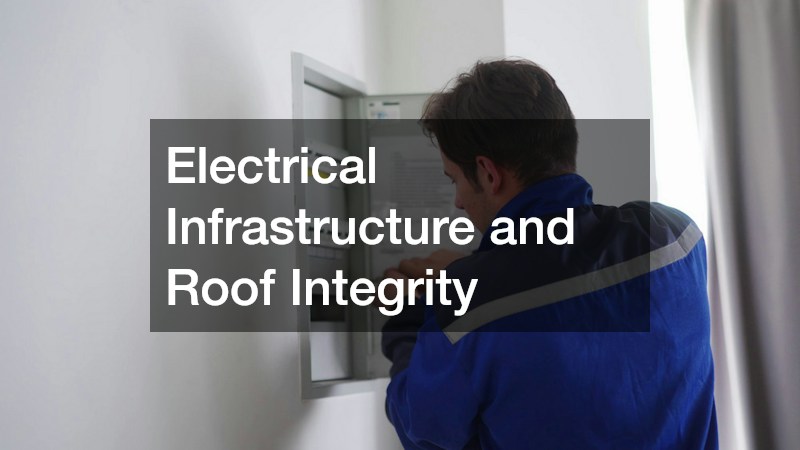
Modern households place heavy demands on electrical networks. Between electric vehicles, home offices, high-draw kitchen appliances, and HVAC systems, older electrical components frequently struggle to keep up safely. Evaluating electrical capacity is a top priority during the second month of ownership. Conducting a thorough electrical assessment ensures that main breakers and secondary subpanels can handle modern home automation and entertainment setups safely.
Homes built prior to 1990 often feature 100-amp service panels that lack sufficient capacity for contemporary electronic equipment and heavy appliances. Outdated breaker boxes, such as older Federal Pacific or Zinsco panels, carry known fire hazards and should be replaced without delay. Investing in electrical panel upgrades expands total household amperage to 200 amps or more, providing dedicated circuits for modern appliances while eliminating overloaded circuits that trip breakers during peak usage. Upgrading the panel also prepares the home for future additions like solar panels or electric car chargers.
Equally vital is overhead protection. The roof serves as the primary shield against weather hazards, rain, and snow accumulation. Even if a general home inspection gave the roof a passing grade, a detailed evaluation by a qualified roofer can uncover subtle issues like missing flashing around chimneys, deteriorated ridge vents, or soft spots in the decking beneath asphalt shingles.
Addressing small roofing issues early prevents moisture from penetrating the attic space, where it can rot roof trusses and ruin insulation. Replacing loose shingles, re-sealing boot collars around vent pipes, and repairing damaged valley metal preserves the structural integrity of the home. Maintaining the roof also satisfies insurance carrier requirements, as many insurance providers now refuse coverage for roofs older than twenty years without a clean inspection report. Homeowners should keep written service records to prove maintenance history to insurers. Regular roof walk-throughs twice a year help spot deteriorating sealant around skylights and vents before driving rains cause hidden water stains on bedroom ceilings.
HVAC Performance and Property Perimeter Care
Indoor climate control heavily influences energy costs and daily living comfort. Heating and cooling systems require continuous care to operate efficiently throughout the changing seasons. Immediately after moving in, homeowners ought to change all return air filters, clean air supply registers, and ensure that furniture does not block air distribution.
When dealing with outdated, inefficient heating and air conditioning units that rely on obsolete refrigerants, planning for a system replacement becomes necessary. A full hvac installation represents a significant financial investment, but modern high-efficiency heat pumps and dual-fuel systems lower monthly energy bills substantially while maintaining consistent indoor humidity and temperature control. Proper sizing of the new system is critical; units that are too large cycle on and off rapidly, while undersized units run constantly without reaching the target temperature. Performing annual tune-ups keeps systems running smoothly and maintains warranty coverage.
Outdoor conditions around the perimeter directly impact indoor heating and cooling efficiency as well as structural safety. Large trees with branches hanging over the roof pose severe storm hazards. Overhanging limbs drop leaves into drainage channels, shade roof surfaces, promoting moss growth, and risk crashing through shingles during high wind events. Heavy branches rubbing against siding or roof tiles will tear off material over time.
Partnering with an insured tree service enables property owners to trim back heavy limbs, remove dead branches, and maintain safe clearance distances from power lines and structural overhangs. Furthermore, clearing away dense tree canopies allows sunlight to dry damp exterior walls, reducing moss build-up and keeping pests away from the house structure. Proper tree trimming also improves air circulation around the home perimeter, helping wood siding dry quickly after rainfall.
Kitchen and Bathroom Interior Upgrades

After stabilizing structural integrity, utilities, and safety systems, homeowners can turn their attention toward interior cosmetic and functional upgrades. Kitchens and bathrooms deliver high returns on investment while directly enhancing daily living quality. Investing in quality kitchen fixtures and durable counters creates an inviting culinary space that serves as a natural gathering point.
Kitchen renovations often start with surface modernizations. Replacing outdated laminate or stained tile surfaces instantly revitalizes the central hub of the house. Installing durable quartz countertops offers a sleek, modern look that resists scratching, staining, and heat damage without requiring periodic sealing like natural granite or marble. The non-porous nature of engineered quartz makes it extraordinarily hygienic and easy to clean, fitting seamlessly into busy family routines.
Upgrading kitchen fixtures goes hand in hand with counter replacement. Deep undermount sinks, touchless faucets, and integrated garbage disposals improve daily workflow. When repositioning sinks or adding new kitchen islands with dedicated water supply lines, bringing in a professional plumber ensures proper drain slope, venting, and water pressure balancing. Correct installation prevents slow leaks from ruining expensive new cabinetry and flooring beneath the sink.
Bathroom upgrades follow a similar pattern. Swapping old toilets for low-flow dual-flush models saves thousands of gallons of water annually while reducing utility bills. Modernizing shower valves and vanity plumbing prevents slow leaks beneath tile floors, protecting subfloors from moisture damage. Updating lighting fixtures, exhaust fans, and cabinet hardware provides an instant cosmetic uplift without requiring full tear-out renovations. Installing properly vented exhaust fans removes moisture quickly, preventing mold growth on drywall surfaces. Selecting water-resistant flooring materials like luxury vinyl plank or porcelain tile ensures long-term durability in high-moisture bath environments. Adding fresh caulk along tub surrounds and backsplashes creates a clean seal that blocks standing water from seeping behind walls.
Exterior Fencing and Pest Mitigation Strategies
Outdoor living space serves as an extension of the interior home environment. Establishing clear property lines, security, and privacy allows families and pets to enjoy their yards fully. Thoughtful exterior planning ensures that outdoor recreation areas remain functional during every season.
Professional fence installations define property boundaries, enclose backyards for children and dogs, and improve overall curb appeal. Whether selecting traditional cedar wood, low-maintenance vinyl, or modern black aluminum, proper post installation with concrete footings set below the frost line ensures the structure stands straight against strong winter winds. A solid perimeter fence also acts as a privacy barrier against busy street traffic and neighboring properties while keeping stray animals out.
However, outdoor structures and landscaping require ongoing defense against encroaching wildlife and invasive insects. Termites, carpenter ants, rodents, and stinging insects regularly target wooden fence posts, decks, and perimeter foundations. Re-engaging with a reliable local pest control technician for ongoing seasonal treatments creates a continuous barrier against subterranean termites and lawn pests.
Seasonal spraying and perimeter bait stations suppress mosquito populations, suppress tick colonies in high grass, and stop carpenter bees from damaging wooden trim. Maintaining clear soil-to-wood clearances around the entire property prevents pests from finding hidden entry pathways into structural framing. Combined with proper yard drainage and regular mowing, professional pest management keeps outdoor living spaces enjoyable and structurally sound year-round. Taking preventive action outdoors reduces pest pressures inside the main residence. Routine inspections of gate latches and hinges ensure that entry points stay functional and secure regardless of changing weather conditions.
Establishing a Multi-Year Home Care Schedule
Homeownership is an ongoing process rather than a single destination. To protect property value over decades, homeowners must transition from reactive repairs to proactive preventive maintenance schedules. Creating a simple digital home calendar helps organize quarterly, bi-annual, and annual tasks without stress.
Spring and autumn represent key maintenance checkpoints. Every spring, home buyers should inspect foundation walls for settlement cracks, clear drainage paths, test sump pumps, and check outdoor hose bibs for winter freeze damage. Autumn tasks include draining exterior water lines, inspecting window weatherstripping, cleaning chimney flues, and having an expert roofer inspect roof valleys for seasonal leaf buildup or loose flashing before winter snow arrives.
Long-term financial planning is equally important. Major mechanical components, such as heating units, roofs, and electrical systems, possess finite lifespans. Setting aside a dedicated emergency repair fund, typically one to two percent of the home’s purchase price annually, ensures money is ready when heavy maintenance arises. Regular maintenance checks also extend the operating life of major equipment, maximizing every dollar invested in property improvements.
When major systems show signs of aging, completing strategic upgrades in phases keeps costs manageable. For example, scheduling necessary electrical panel upgrades before installing modern high-draw amenities like hot tubs, outdoor kitchens, or electric vehicle charging stations prevents unexpected electrical failures. Following a clear, structured roadmap transforms home maintenance from a source of anxiety into an organized, rewarding routine that preserves comfort, builds equity, and ensures peace of mind for decades to come.
Adding routine seasonal maintenance reviews to your calendar protects both structural equity and long-term household budget stability.