Explore the world of roofing materials to discover the best options for durability, cost-effectiveness, and aesthetic appeal. Learn how these materials can influence the longevity and functionality of your roofing projects. Proper selection of materials can not only ensure long-term satisfaction but also contribute significantly to the value and sustainability of buildings. Roofers must navigate a diverse array of products and technologies to provide the best roofing solutions to their clients. In this article, we delve into different aspects of roofing materials to uncover which ones are truly the best in the market today.
1. What Are the Most Durable Roofing Materials?
Durability is a key consideration when evaluating roofing materials as it directly affects the lifespan of a roof. Materials such as slate and metal are renowned for their exceptional longevity, often lasting for over 50 years. Slate, known for its natural beauty and strength, is a time-tested choice that can withstand harsh weather conditions and requires minimal maintenance. Metal roofs, made from steel or aluminum, offer not only durability but also resilience against rust and fire, making them a popular choice for areas prone to adverse weather. Thus, these materials stand out for their ability to provide long-term protection and peace of mind.
Fiberglass asphalt shingles have also gained popularity due to their impressive balance of durability and affordability. These shingles are manufactured with a fiberglass reinforcing mat and coated with asphalt, providing a robust and waterproof barrier. They may not match the longevity of slate or metal, but they generally last around 20 to 30 years, making them an attractive choice for homeowners who prioritize cost-effectiveness without sacrificing quality. Additionally, they are available in a variety of styles and colors, offering versatility in design. This balance of durability and aesthetic adaptability fuels their continued use in modern roofing projects.
Concrete tiles are another durable option with a reputation for exceptional strength. Made from a mixture of sand, cement, and water, these tiles are baked at high temperatures to form a solid roofing component. Offering a long lifespan of up to 50 years, concrete tiles are heavier than other options, thus requiring sturdy roof structures. They provide resistance to fire, insects, and rot, offering robust protection for homes. Their durability alongside environmental benefits, such as energy efficiency, highlights their importance in sustainable construction.
2. What Roofing Materials Offer the Best Cost-efficiency?
When considering cost-efficiency, asphalt shingles stand out due to their affordability and ease of installation. Asphalt shingles are not only inexpensive but also available in diverse styles, offering versatility for various architectural preferences. Their relatively short lifespan compared to premium materials is offset by their price, allowing for possible replacements without financial strain. They serve as a common choice for budget-conscious homeowners looking for a reliable solution. Consequently, asphalt shingles provide a favorable balance between cost-effectiveness and practical performance.
Rolled roofing is another cost-efficient option primarily used for low-slope residential roofs and outbuildings. Composed of the same materials as asphalt shingles, rolled roofing comes in rolls and offers a simple, quick installation process. Its cost-effectiveness is further enhanced by its low maintenance needs; however, its lifespan is typically shorter than other materials, lasting up to 10 years. Despite this, rolled roofing’s affordability and ease of use make it an ideal choice for specific applications where long-term investment is not critical. This practicality ensures its continued relevance in economical roofing projects.
One cannot ignore the cost benefits of standing seam metal roofs in the long term. Although the initial investment is higher compared to asphalt shingles, metal roofs have low maintenance expenses and a long lifespan of 40 to 70 years. This advantage significantly reduces the overall cost over the lifespan of the roof. Additionally, metal roofs have energy-efficient qualities due to their reflective surfaces, potentially lowering cooling costs in warm climates. Thus, when evaluating cost-efficiency on a broader scale, metal roofing emerges as a wise long-term investment.
3. Which Roofing Materials Are Most Eco-friendly?
Eco-friendly roofing materials are increasingly pivotal in reducing environmental impact and enhancing sustainability. Metal roofs contribute significantly to eco-friendly construction as they are often made from recycled materials and can be fully recycled at the end of their lifespan. Moreover, they reflect solar heat effectively, reducing cooling costs and improving energy efficiency. Their durability also means fewer resources are consumed over time due to fewer replacements. These factors illustrate metal roofs as an effective component in sustainable building practices.
Clay and concrete tiles also offer notable environmental benefits by being made from abundant natural materials. Both these materials are highly durable and require little maintenance, reducing the need for frequent replacements. Clay and concrete tiles have excellent thermal mass properties, providing natural insulation and ensuring energy efficiency. They help maintain comfortable indoor temperatures, reducing the reliance on heating and cooling systems. Overall, their sustainable production processes and inherent efficiency make them highly favorable eco-friendly options for roofing projects.
Another material, wood, has gained attention for its sustainable properties when sourced responsibly. Wood shakes and shingles offer a natural look and can be obtained from sustainably managed forests, supporting ecological balance. They are biodegradable and easily replaced with new growth, limiting their environmental footprint. However, they require treatment for fire resistance, which must be considered in their environmental assessment. When handled responsibly, wood roofing provides an intersection between natural aesthetics and environmentally mindful construction practices.
4. What Roofing Materials Have the Best Aesthetic Appeal?
The aesthetic appeal of roofing materials can greatly influence the overall look of a property, making it a crucial consideration in roofing projects. Slate tiles are synonymous with elegance and unique charm, lending a classic and high-end appearance to any structure. Their natural variations in color and texture ensure each slate roof is distinctive, reinforcing its aesthetic prestige. Slate’s combination of beauty and practicality makes it a preferred choice for luxury homes and historic restorations. Its timeless allure continues to captivate those seeking visually striking roofing solutions.
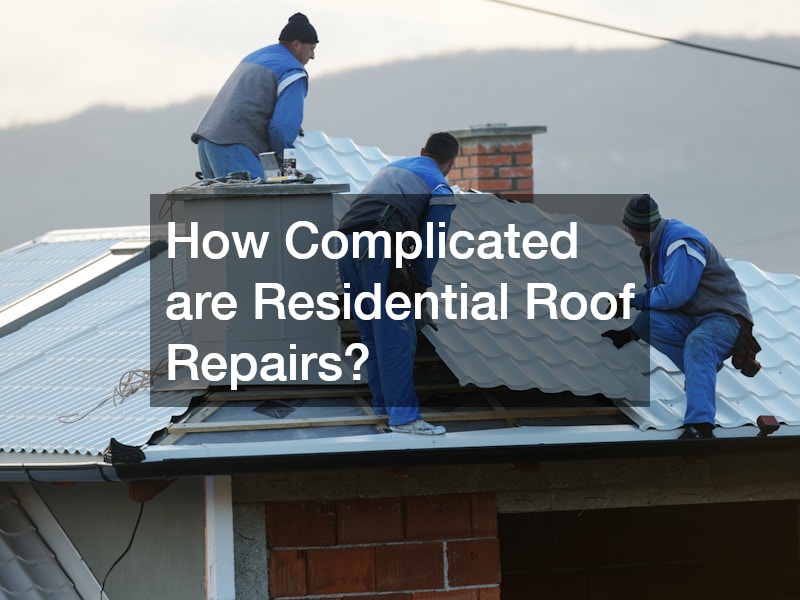
Metal roofing offers a sleek and modern appearance that complements contemporary architectural designs. Available in various styles, including standing seam and corrugated panels, metal roofs can provide striking accents or uniform structures. Besides their modern aesthetic, metal roofs can be coated or painted in diverse colors, allowing for customization to match any visual theme. The reflective nature of metal also adds a certain sheen, further enhancing the architectural features of buildings. As such, metal roofing successfully balances visually appealing design with reliable performance.
Finally, wood roofing is celebrated for its rustic and natural beauty, making it a popular choice for charming country homes and cottages. Wood shakes and shingles provide texture and a warm, inviting appearance, enhancing the charm of natural surroundings. They are available in a range of styles and finishes that can subtly adjust a property’s style. However, aesthetic qualities require maintenance to preserve their appearance over time. Despite this, the natural elegance wood brings to structures continuously contributes to their desirability in residential design.
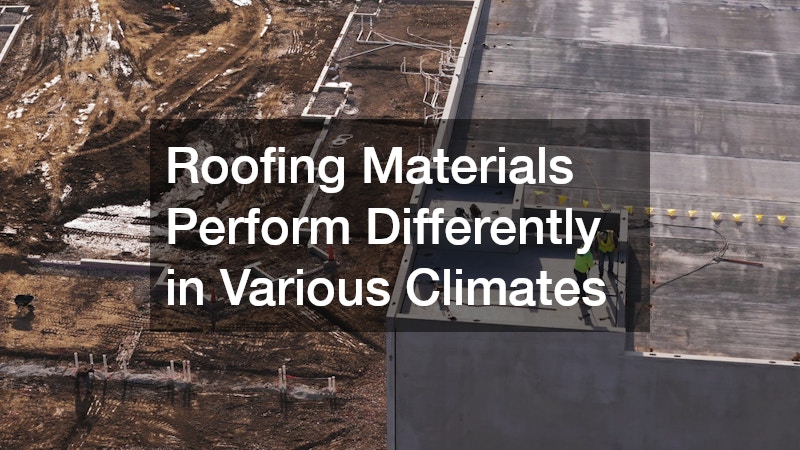
5. How Do Roofing Materials Perform in Various Climates?
Roofing materials must be selected based on their performance under specific climate conditions to ensure longevity and effectiveness. Metal roofs are valuable in varied climates due to their exceptional durability and resistance to extreme weather. They are particularly beneficial in snowy regions as snow easily slides off their surfaces, preventing excessive accumulation and weight. Additionally, metal roofs do not absorb moisture, making them resistant to mold and mildew, crucial in humid areas. Their adaptability to different environmental conditions enhances their reliability as a roofing choice.
In regions prone to high winds and hurricanes, materials such as concrete tiles and asphalt shingles prove advantageous. Concrete tiles are renowned for their heavy weight and strong interlocking design, allowing them to stay secure under high wind conditions. Asphalt shingles, particularly the architectural variety, offer improved wind resistance due to their laminated build and thicker structure. Choosing materials rated for high wind zones ensures safety and functionality in these challenging climates. Such factors are essential to protecting properties from severe weather events.
For areas experiencing hot climates or extreme temperature fluctuations, specific roofing materials offer advantages in maintaining energy efficiency and interior comfort. Reflective metal roofs can mitigate heat gain by reflecting sunlight, lowering cooling costs and energy use. Similarly, clay tiles have natural insulating properties, maintaining cooler temperatures within buildings. Understanding the thermal dynamics of roofing materials helps in optimizing comfort while reducing energy consumption. These considerations highlight the importance of aligning material choice with climatic performance criteria.
Discovering the ideal roofing material requires a blend of durability, cost-efficiency, and environmental considerations. Selecting the right material not only enhances the beauty and value of a property but also ensures its longevity against the elements. Roofing materials like metal, slate, and clay can offer remarkable benefits when chosen wisely for their intended environments. Informed decisions support energy-efficient, cost-effective, and durable roofing solutions, ultimately benefiting both roofers and property owners. With careful selection and application, roofing projects can achieve aesthetic excellence and lasting resilience.